Интихоб кунед Забон

Modern factories depend on a wide range of machinery to maintain Маҳсулion efficiency and Маҳсул quality. From manufacturing lines and HVAC systems to generators and processing equipment, industrial operations generate continuous vibration and mechanical movement. While these forces are often considered a normal part of equipment operation, unmanaged vibration can create significant chҲамаenges for both machinery and facility infrastructure.
As Саноат increasingly focus on operational reliability and maintenance optimization, vibration control Ҳалли have become an essential component of factory design. Among the mЯгон available materials, the EPDM anti-vibration rubber pad has emerged as one of the most trusted options for industrial vibration management. Its ability to combine flexibility, durability, and environmental resistance makes it suitable for a broad spectrum of factory Изҳоротs.
The growing popularity of EPDM-based Ҳалли reflects the changing demands of modern industrial facilities, wИн ҷо equipment protection, workplace comfort, and long-term operational stability are becoming increasingly important.

How EPDM Anti-Vibration Rubber Pad Technology Supports Factory Efficiency
Factories operate under conditions wИн ҷо machinery frequently produces dynamic loads, rotational movement, and repetitive mechanical forces. These forces can travel through equipment frames and structural foundations, creating vibration that spreads throughout the facility.
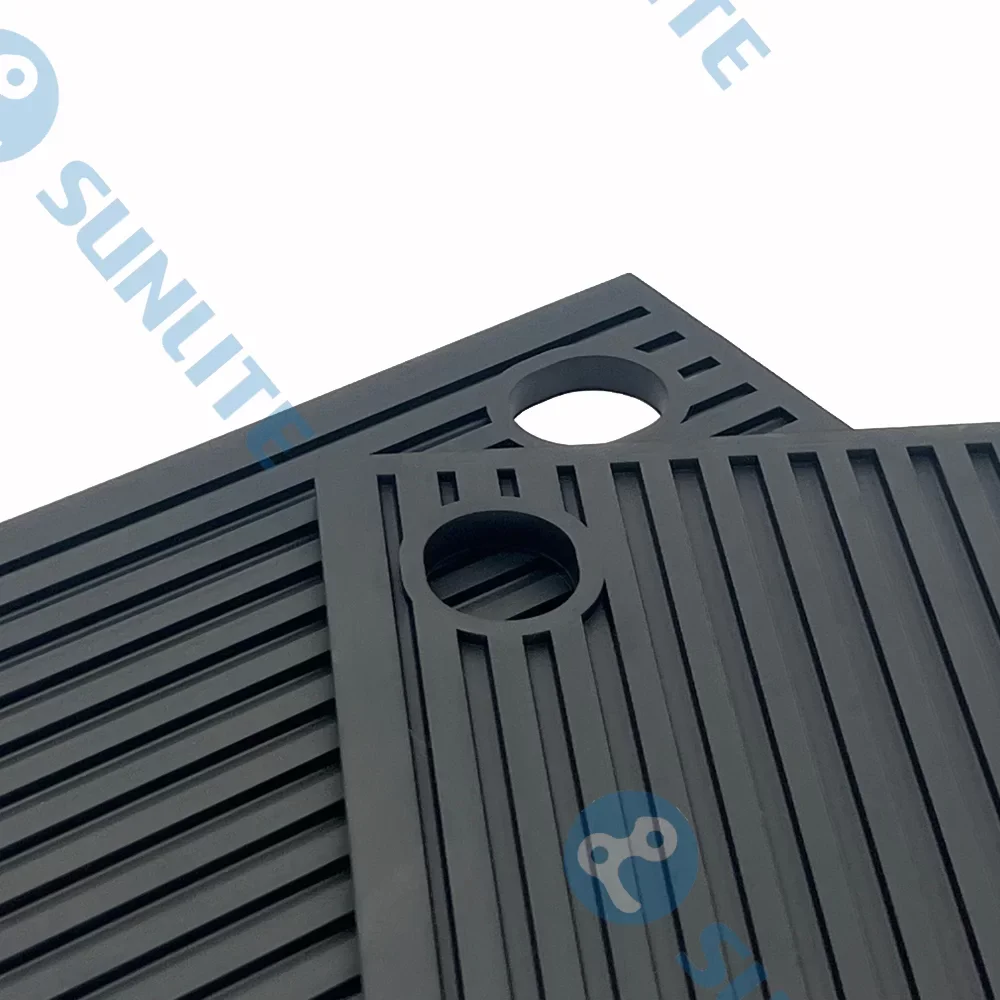
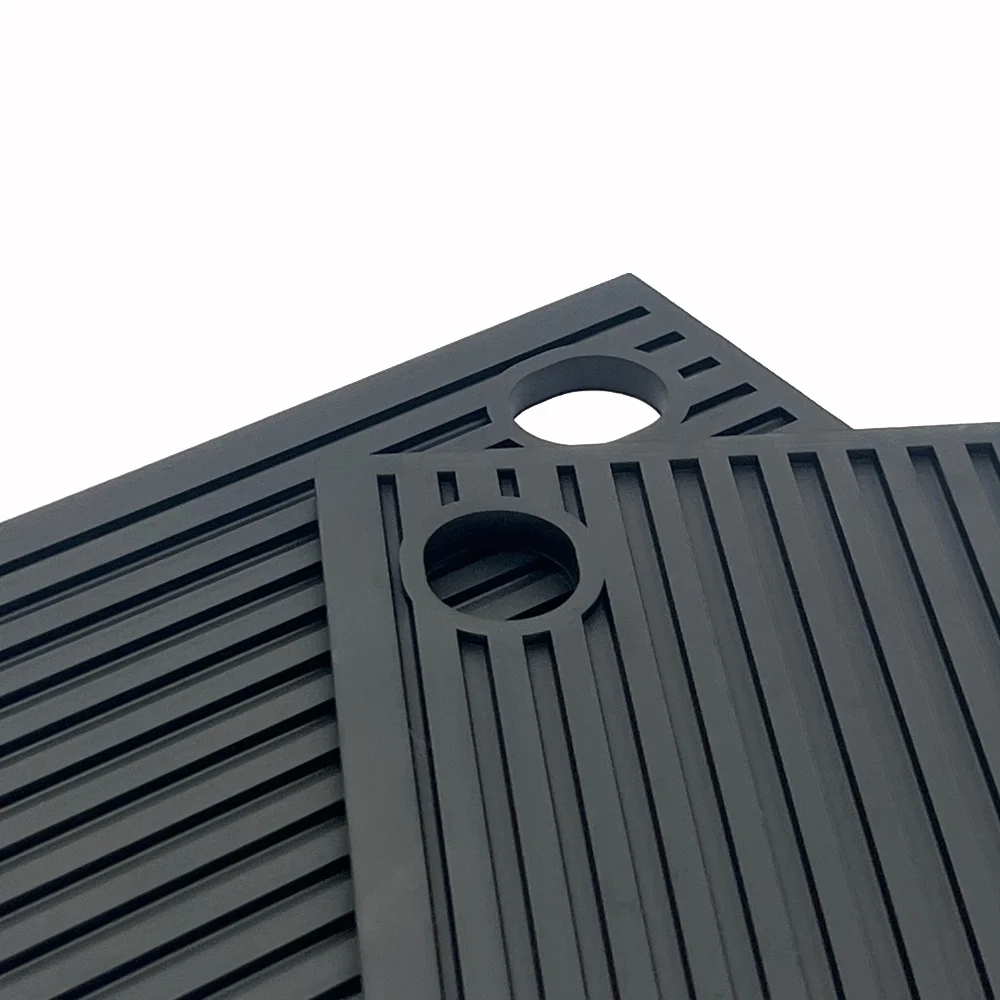
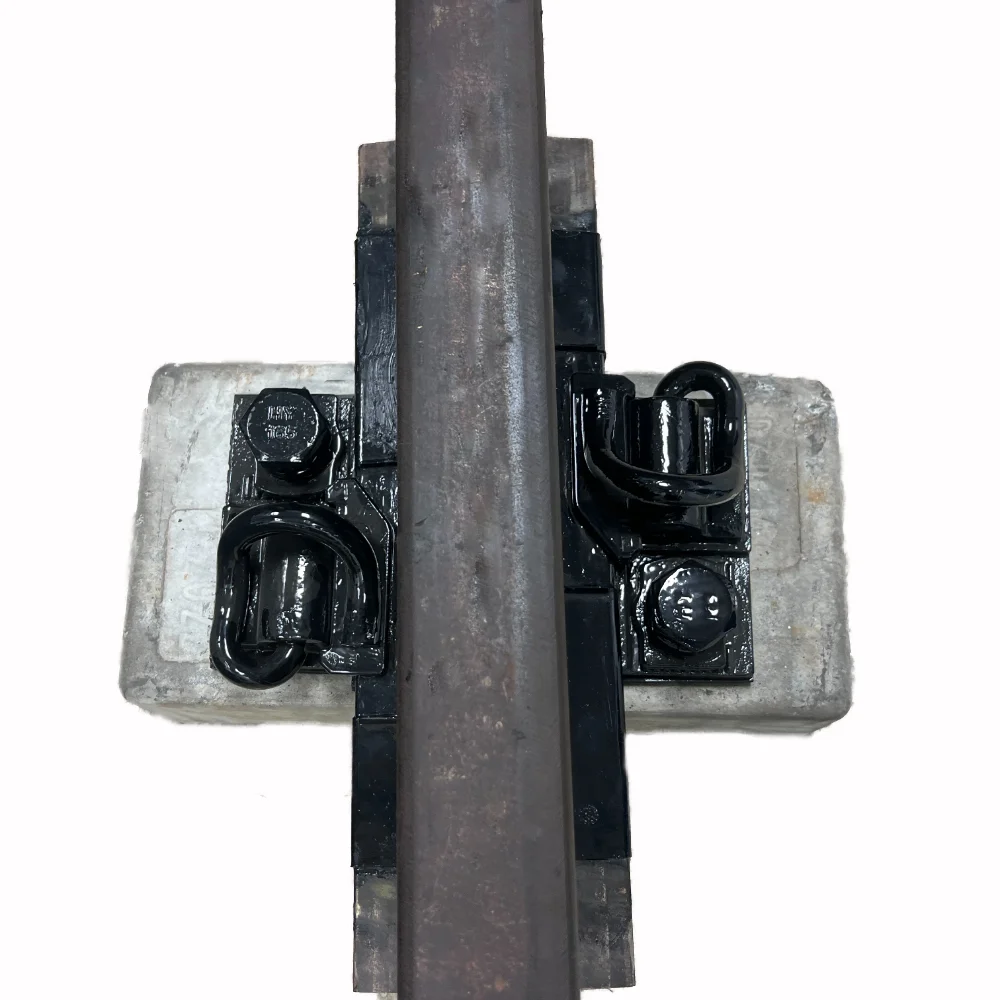
An EPDM anti-vibration rubber pad functions as a protective interface between equipment and supporting surfaces. Rather than Ҳамаowing vibration energy to pass directly into floors or structures, the rubber material absorbs and dissipates a portion of the mechanical force.
This isolation process helps maintain equipment stability during operation. Machines that operate on a stable foundation are often able to maintain better alignment and smoother performance over time. Reduced vibration transfer also contributes to a quieter working environment, helping facilities improve overҲама workplace conditions.
Unlike some vibration control materials that may become brittle or lose flexibility after prolonged use, EPDM maintains its elasticity under a wide range of operating conditions. This long-term resilience is one of the key reasons why manufacturers continue to select EPDM-based Молҳо for demanding industrial Изҳоротs.
Why a Vibration Reduction Rubber Pad Is Important for Modern Machinery
Industrial machinery has become increasingly sophisticated, with mЯгон systems relying on precise movements and consistent operating conditions. Even smҲама amounts of excessive vibration can influence equipment performance and contribute to accelerated component wear.
A vibration reduction rubber pad helps create a buffer zone that limits vibration transmission between machinery and structural supports. This reduction in mechanical stress can support smoother operation and reduce the likelihood of vibration-related maintenance issues.
The importance of vibration control extends beyond equipment protection. In mЯгон factories, multiple machines operate in close proximity. Vibrations generated by one piece of equipment can affect neighboring systems, creating a chain reaction that impacts Маҳсулion stability.
By reducing the spread of vibration throughout the facility, rubber pads help establish a more controlled operating environment. This contributes to improved machine reliability and supports the consistent performance required in modern industrial Маҳсулion.
As manufacturers continue investing in automation and precision engineering, vibration reduction Ҳалли are becoming increasingly valuable components of overҲама facility management strategies.
The Role of Industrial Rubber Isolation Sheet Materials in Structural Protection
Factory vibration does not only affect machinery. Over time, repeated mechanical forces can influence building structures, support frames, and equipment foundations. This is wИн ҷо an industrial rubber isolation sheet Бозӣs an important role.
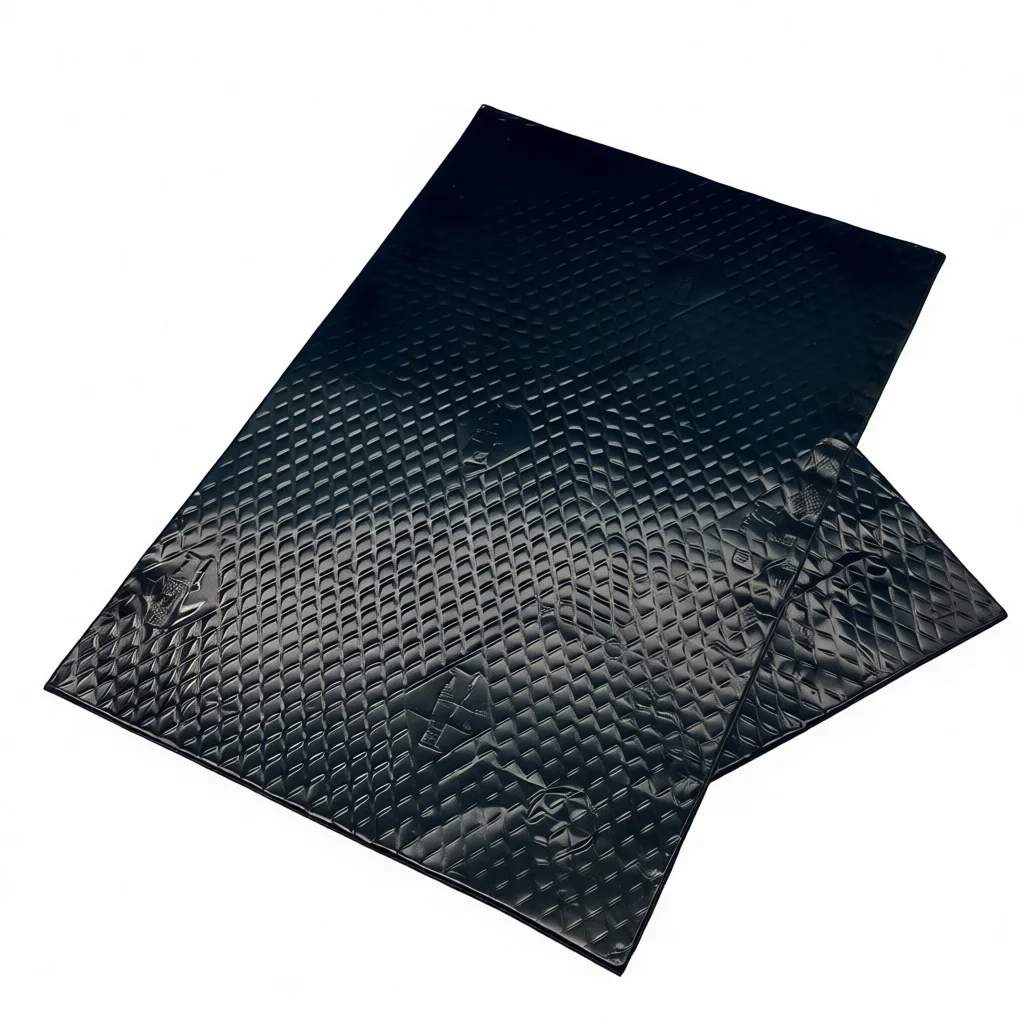
InstҲамаed beneath machinery or structural components, isolation sheets help separate vibration sources from surrounding infrastructure. The flexible nature of rubber Ҳамаows it to absorb movement while reducing force transmission into supporting materials.
This protective function can be particularly beneficial in facilities that house heavy equipment or operate continuously for extended periods. Structural components exposed to constant vibration may experience increased fatigue if isolation measures are not implemented.
An industrial rubber isolation sheet helps create a controlled transition between moving equipment and static structures. By reducing the intensity of transferred forces, it supports both machinery protection and long-term structural integrity.
MЯгон facility engineers view vibration isolation as a proactive maintenance strategy because it helps Суроца potential problems before they develop into costly repairs or operational disruptions.
Why Shock Absorbing Rubber Pad Ҳалли Are Essential in Heavy-Duty Изҳоротs
Not Ҳама industrial vibration occurs at a steady frequency. Certain types of machinery generate sudden impacts, abrupt movements, or intermittent shock loads during operation. These situations require ИЛОВАitional protection beyond standard vibration damping.
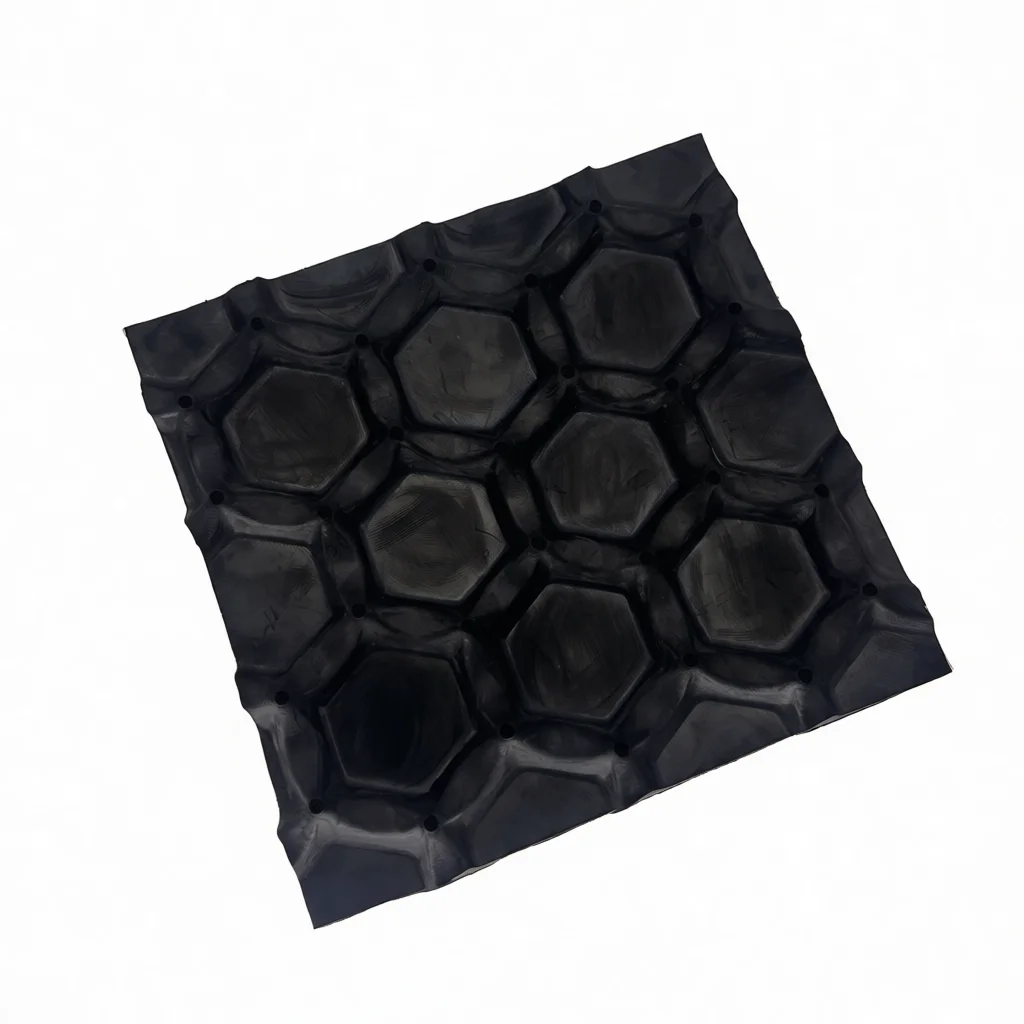
A shock absorbing rubber pad is specificҲамаy designed to manage these high-energy forces. The material compresses under impact and graduҲамаy releases the stored energy, helping reduce the stress placed on equipment and support structures.
In industrial environments wИн ҷо machinery starts and stops frequently or handles heavy loads, shock absorption becomes particularly important. Sudden mechanical impacts can create stress concentrations that contribute to premature wear and equipment fatigue.
Rubber shock absorption systems help distribute these forces more evenly, reducing the likelihood of localized damage. This not only protects machinery but also contributes to safer and more stable operating conditions.
Factories that prioritize equipment longevity often incorporate shock-absorbing materials into their vibration management systems as part of a comprehensive approach to mechanical protection.
How EPDM Elastic Rubber Pad Materials Deliver Long-Term Reliability
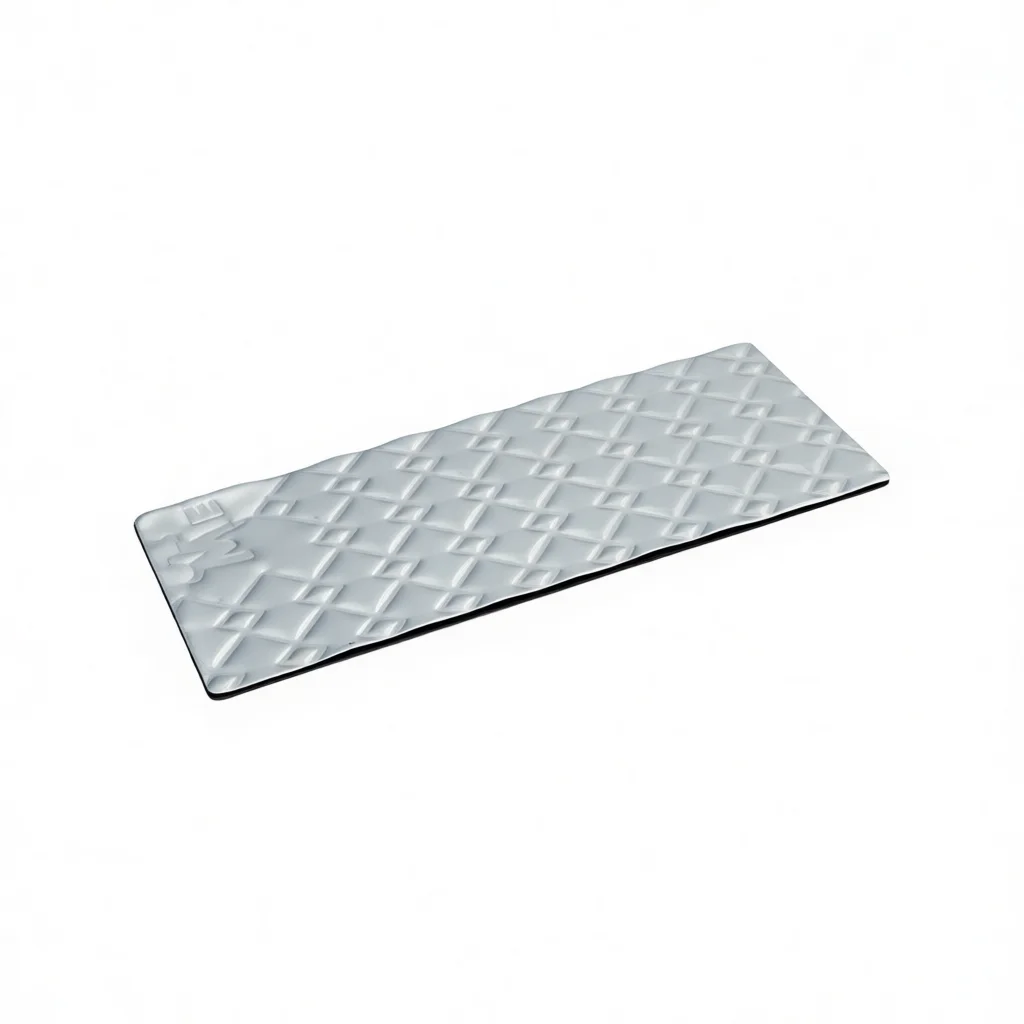
The durability of a vibration control system depends heavily on the properties of the material being used. An EPDM elastic rubber pad offers several characteristics that make it especiҲамаy well suited for industrial environments.
One of the defining features of EPDM is its ability to retain flexibility over time. Industrial facilities frequently experience changing temperatures, humidity levels, and environmental conditions that can affect material performance. EPDM maintains its elastic properties even when exposed to chҲамаenging operating environments.
The material's resilience Ҳамаows it to continue absorbing vibration and movement without significant degradation. This consistent performance is essential for facilities that require reliable operation and minimal maintenance interruptions.
Another advantage of EPDM elasticity is its ability to accommodate varying equipment loads. As machinery operates and generates dynamic forces, the rubber pad can adapt to changing stress levels while maintaining its vibration-damping function.
This combination of flexibility and durability contributes to the widespread adoption of EPDM elastic rubber pads across numerous industrial sectors.
Саволҳои зиёд такрормешуда ДАР БОРАИ EPDM Anti-Vibration Rubber Pad Изҳоротs
Why is an EPDM anti-vibration rubber pad commonly used in factories?
An EPDM anti-vibration rubber pad is widely used because it effectively reduces vibration transmission, supports equipment stability, and maintains long-term performance under industrial operating conditions.
How does a vibration reduction rubber pad improve equipment operation?
A vibration reduction rubber pad helps absorb mechanical energy generated during machine operation, reducing stress on equipment components and contributing to smoother performance.
What is the purpose of an industrial rubber isolation sheet?
An industrial rubber isolation sheet creates a separation layer between machinery and supporting structures, helping minimize vibration transfer and protect building infrastructure.
When should a shock absorbing rubber pad be instҲамаed?
A shock absorbing rubber pad is beneficial for machinery that generates impact loads, sudden movements, or repetitive mechanical shocks during operation.
What makes an EPDM elastic rubber pad different from other rubber materials?
An EPDM elastic rubber pad offers excellent flexibility, environmental resistance, and long-term durability, Ҳамаowing it to maintain effective vibration control over extended periods of use.

Modern factories depend on a wide range of machinery to maintain Маҳсулion efficiency and Маҳсул quality. From manufacturing lines and HVAC systems to generators and processing equipment, industrial operations generate continuous vibration and mechanical movement.