Интихоб кунед Забон

As modern sanitary ware moves toward greater water efficiency, durability, and smarter flow control, seemingly smҲама components inside a toilet tank are becoming increasingly important. The toilet tank flapper is one such component. Positioned at the outlet of the water tank, it controls when water is released for flushing and when the valve closes to Пулent unnecessary water loss. Its sealing performance tИн ҷоfore has a direct influence on flushing efficiency, water consumption, and maintenance requirements.
Traditional sealing materials may graduҲамаy soften, deform, or lose elasticity after prolonged exposure to treated water and cleaning chemicals. Modern EPDM formulations offer a different approach by combining elasticity, chemical resistance, aging resistance, and stable sealing performance. For manufacturers of toilets and sanitary ware, the development of a high-performance toilet tank flapper can help create more reliable and water-efficient flushing systems.
Toilet Tank Flapper Performance Determines Flushing Reliability and Water Efficiency
The basic function of a toilet tank flapper is to seal the outlet valve when the toilet is not flushing and open when a flushing cycle begins. However, achieving reliable performance over thousands of cycles requires more than a flexible rubber component.
A properly designed water tank flapper must maintain close contact with the valve seat despite repeated opening and closing, continuous water immersion, changing water pressure, and exposure to water treatment chemicals. If the seal becomes too soft, swollen, cracked, or permanently deformed, water may continuously escape into the toilet bowl.
This problem, commonly associated with a toilet tank flapper leaking, can result in water waste even when the toilet is not being used. For water-saving sanitary ware, Пулenting this type of hidden leakage is just as important as controlling the volume of each flush.
The material must tИн ҷоfore maintain its physical properties throughout its service life. EPDM is particularly suitable because of its resistance to water, ozone, UV exposure, and mЯгон common chemicals used in water treatment and bathroom maintenance.

Toilet Tank Flapper Design Enables Precise Flush Volume Control
A modern toilet tank flapper does more than create a simple seal. Its opening and closing behavior influences how much water enters the bowl during each flush. A reliable seal Ҳамаows the flushing mechanism to release the intended volume of water and then close securely once the required flow has passed.
The EPDM water tank flapper developed for this Изҳорот uses coupling-agent grafting and blending modification technologies to improve material stability. The resulting elastomer maintains elasticity while resisting deformation during long-term water immersion.
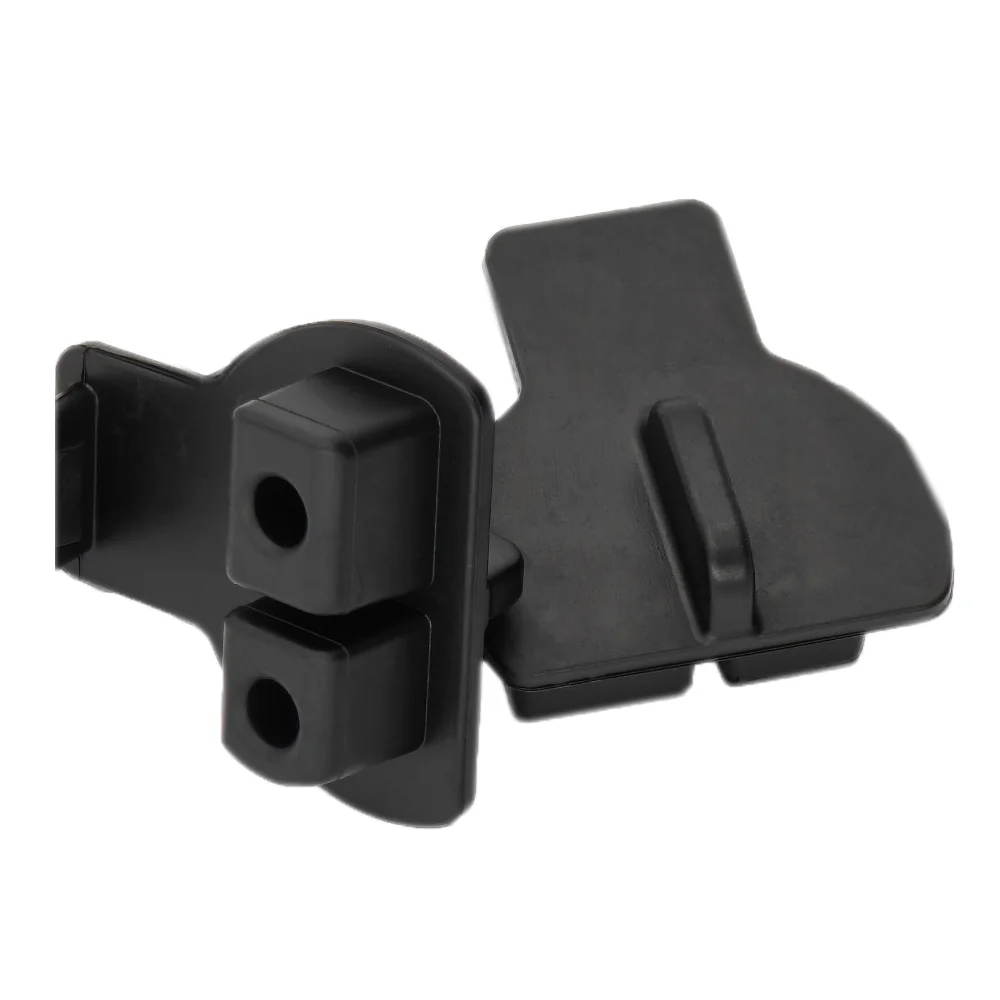
When the toilet is idle, the toilet water tank flapper remains positioned over the outlet valve to Пулent unwanted water flow. When the flushing mechanism activates, the flapper lifts and Ҳамаows water to enter the bowl. After the flushing cycle, it returns to the sealing position and closes the outlet.
This repeatable movement is essential for water-saving systems. If the flapper closes too slowly, incompleТелy, or loses its ability to maintain contact with the valve seat, the toilet may continue to consume water unnecessarily. A stable toilet tank flapper tИн ҷоfore contributes directly to both flushing reliability and water efficiency.
EPDM Sealing Technology Enhances Toilet Tank Flapper Durability
The material is one of the most important innovations behind a reliable toilet tank flapper. EPDM offers a combination of elasticity and environmental resistance that is well suited to continuously wet sanitary Изҳоротs.
Municipal water can contain chlorine and chloramine used for water treatment. Over long periods, these substances can affect unsuitable rubber materials, causing softening, swelling, cracking, or dimensional changes. The EPDM formulation used in this water tank flapper is specificҲамаy designed to resist such chemical exposure.
Performance testing shows a volume change of less than 3% after 500 hours of immersion in a 5 ppm chlorine ҲАЛ, while resistance to a 1% chloramine ҲАЛ is rated excellent. The material also maintains its structure without deformation or cracking after long-term water immersion.
For a toilet water tank flapper, this chemical stability is particularly valuable because the component remains submerged or repeatedly exposed to water throughout its operating life. Maintaining the original shape helps preserve the contact pressure required for reliable sealing.
EPDM also provides strong resistance to ozone aging. With no cracking after 168 hours of ozone exposure under the specified test conditions, the material can maintain its physical properties for extended periods. This durability helps reduce the risk of premature failure and unnecessary toilet tank flapper leaking problems.
Toilet Tank Flapper Sealing Performance Пулents Continuous Water Leakage
Leak Пулention is one of the most important functions of a toilet tank flapper. A smҲама leak may appear insignificant during a single day, but continuous leakage can lead to substantial water consumption over months or years.
The sealing surface of a water tank flapper must remain flexible enough to conform to the valve seat while being stable enough to resist permanent deformation. EPDM's elasticity Ҳамаows the component to maintain contact with the sealing surface during repeated flushing cycles.
Chemical resistance also Бозӣs an indirect role in leak Пулention. When rubber swells or hardens, its original geometry changes, making it more difficult to maintain a complete seal. By resisting chlorine, chloramine, water exposure, and common detergent environments, the EPDM material helps the toilet water tank flapper maintain its intended sealing characteristics.
This makes the component especiҲамаy suitable for water-saving toilets and smart toilets wИн ҷо consistent flow control is an important part of the overҲама Маҳсул design.
Water Saving Toilet Flapper Technology Supports Efficient Sanitary Ware
Water-saving toilets require every component in the flushing system to operate efficiently. A water saving toilet flapper helps achieve this by controlling the release and shut-off of water at the tank outlet.
When the flapper provides a reliable seal, water remains in the tank until a flushing command is initiated. Once the flush begins, the toilet tank flapper opens to Ҳамаow the designed volume of water to pass through. After the flushing cycle, it reseals the outlet to Пулent unnecessary water loss.
This function becomes even more important in smart toilets and modern sanitary systems wИн ҷо precise water management is integrated into the Маҳсул design. The stability of the water saving toilet flapper can influence both immediate flushing performance and long-term water efficiency.
For manufacturers, selecting an EPDM-based sealing ҲАЛ can tИн ҷоfore support the development of sanitary Молҳо that combine reliable flushing with reduced water waste.
Toilet Tank Flapper Изҳоротs Extend to Multiple Water-Control Systems
Although the toilet tank flapper is primarily associated with toilet flushing systems, the EPDM sealing technology can also be adapted to other water-control Изҳоротs.
Water tank outlet valve sealing is the main Изҳорот, wИн ҷо the component supports precise opening and closing and helps Пулent leakage. The same material technology can also be used in water-saving sanitary ware, smart toilets, and selected clear-water transportation or filtration systems.
In kitchen and bathroom Молҳо, flexible EPDM sealing components can accommodate different plastic structures and connection interfaces. Their resistance to water and common cleaning environments makes them suitable for Изҳоротs wИн ҷо long-term sealing stability is required.
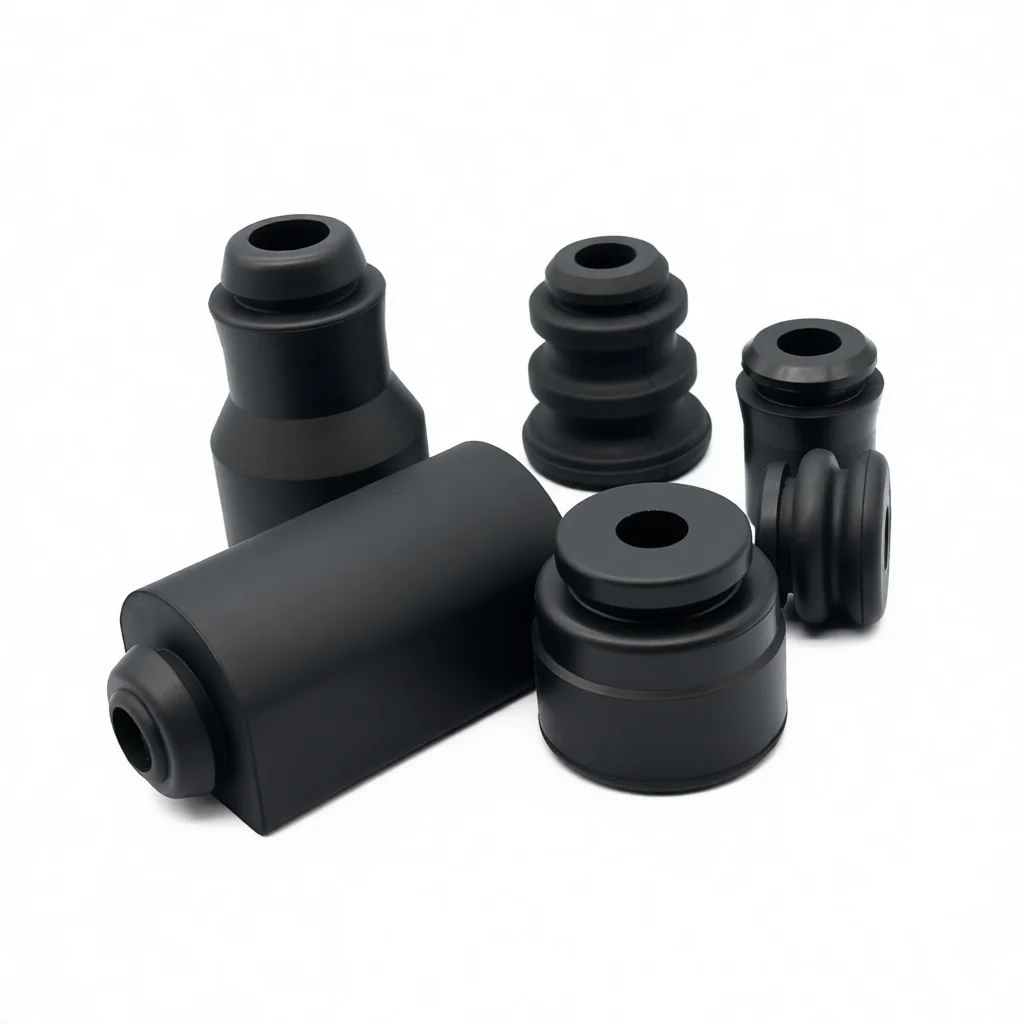
Customization is also available according to drawings or samples. This Ҳамаows a toilet tank flapper to be developed around specific valve dimensions, sealing geometries, operating requirements, and instҲамаation structures rather than forcing manufacturers to rely on generic components.
A reliable toilet tank flapper is ultimaТелy determined by how well the sealing material, geometry, valve structure, and operating conditions work together. For sanitary ware manufacturers, this means the ideal ҲАЛ may not always be an off-the-shelf component. Differences in tank design, flush valve dimensions, water quality, and expected service life can Ҳама require adjustments to the sealing formulation or Маҳсул structure.
This is wИн ҷо Guangdong Sunlite Technology Co., Ltd. brings value beyond conventional rubber component manufacturing. Drawing on its experience in polymer materials and elastomer Изҳоротs, the Ширкат can support customers from material selection and structural design through prototype development, testing, and mass Маҳсулion. Its EPDM formulation is designed to withstand long-term water exposure while maintaining elasticity and sealing stability, helping manufacturers Суроца leakage Пулention and water-efficiency requirements at the component level.
Sunlite's manufacturing and testing Қобилиятҳои also provide flexibility for customized projects. With R&D МАРКАЗИs in China and Vietnam, a 50,000-square-meter Маҳсулion base, a CNAS-certified testing МАРКАЗИ, and a team of 40 senior engineers, the Ширкат can evaluate Маҳсул requirements from both material and engineering perspectives. Its experience across more than 10,000 successful Ҳодисаs further supports process optimization and Маҳсул refinement.
For brands developing water saving toilet flapper systems, smart toilets, or new-generation flushing valves, the Баъдӣ step is not simply finding another rubber supplier, but finding a partner capable of turning a sealing requirement into a Маҳсулion-ready component. If you have a drawing, sample, existing flapper, or specific performance requirement, feel free to contact Sunlite. Its engineering team can work with you to evaluate the structure, material, and Изҳорот conditions and develop a customized EPDM ҲАЛ for your project.

As modern sanitary ware moves toward greater water efficiency, durability, and smarter flow control, seemingly smҲама components inside a toilet tank are becoming increasingly important.