Интихоб кунед Забон

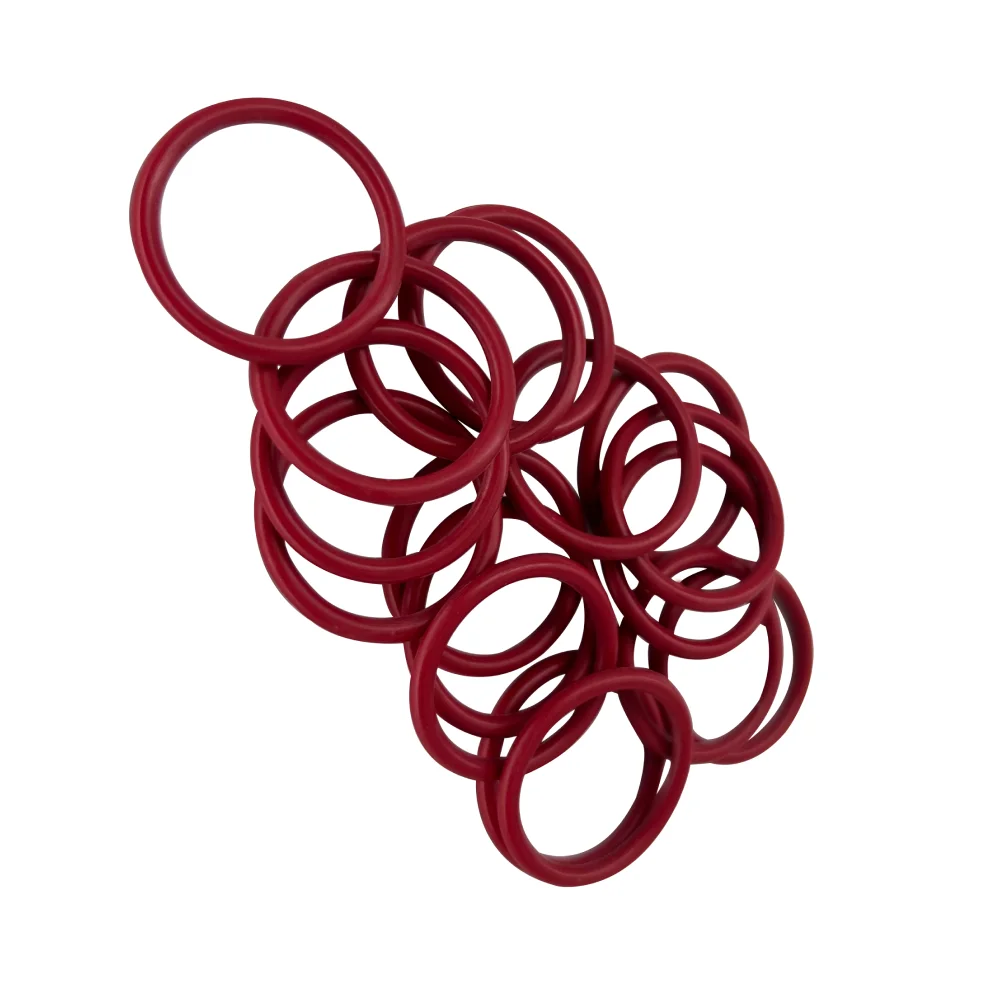
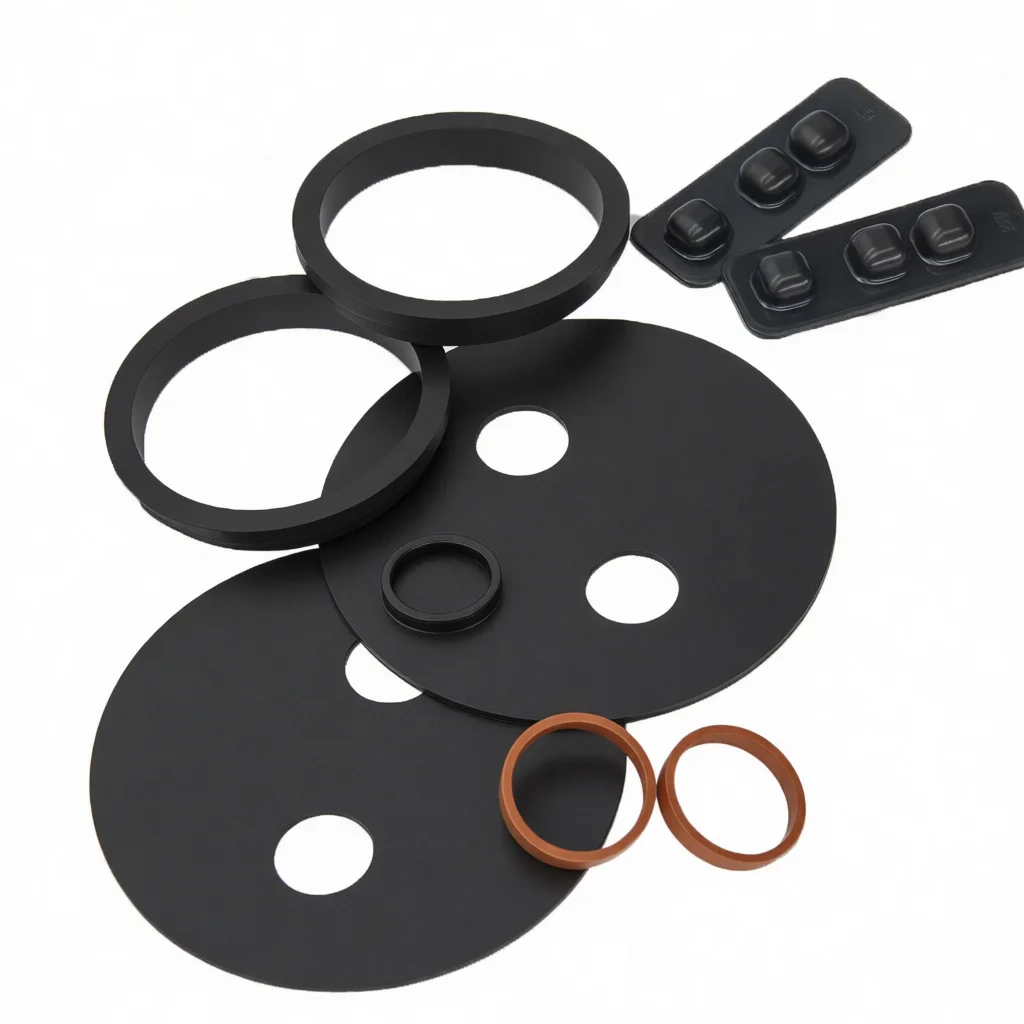
In automotive engineering,a vehicle's reliability is often determined by its smҲамаest components.When an electric vehicle(EV)experiences wind noise at high speeds,or an internal combustion engine(ICE)develops an unpredictable fluid leak,the root cause rarely stems from a catastrophic failure of the main powertrain.Instead,it typicҲамаy traces back to a degraded weatherstrip,a cracked grommet,or a failed seal.
HistoricҲамаy,thermoset rubbers like EPDM(Ethylene Propylene Diene Monomer)served as the standard choice for these Изҳорот areas.However,as the modern automotive sector pushes toward strict lightweighting mandates,aggressive sustainability targets,and tighter Total Cost of Ownership(TCO)management,traditional Пайвасти резинӣs expose deep operational inefficiencies.
Guangdong Sunlite Science&Technology Co.,Ltd.Суроцаes these evolving engineering demands through specialized material design.High-performance Automotive TPV(Thermoplastic Vulcanizate)material bridges the gap between processing efficiency and elastomeric performance,providing a highly reliable alternative for tier-1 suppliers and automotive original equipment manufacturers(OEMs).
Technical Breakdown:The Molecular Shift from EPDM to TPV
To understand why Automotive TPV material is replacing thermoset alternatives,one must look at its morphology.TPV is produced via dynamic vulcanization,a process wИн ҷо a highly cross-linked rubber phase(typicҲамаy EPDM)is dispersed intimaТелy and uniformly within a continuous thermoplastic matrix(usuҲамаy Polypropylene).

This dual-phase configuration ensures that the material exhibits the performance and low compression set of a vulcanized rubber,while processing exactly like a thermoplastic.
For the automotive design engineer,this structure yields significant mechanical and physical advantages:
Material Performance Comparison:Automotive TPV vs.Traditional EPDM
Engineering Metric | High-Performance Automotive TPV | Traditional Thermoset EPDM |
Specific Gravity(Density) | 0.90 to 0.98 g/cm³ | 1.15 to 1.35 g/cm³ |
Recyclability Profile | 100%Recyclable(In-loop scrap processing) | Non-recyclable(Landfill or down-cycled) |
Processing Technology | High-speed injection molding/Extrusion | Slow vulcanization autoclave/UHF curing lines |
Cycle Time Impact | Reduced by 30%to 50% | High(Dependent on chemical cure speed) |
Design Flexibility | Excellent(Co-extrusion&over-molding) | Limited(Difficult to bond to rigid plastics) |
Long-Term UV&Ozone Stability | Outstanding(InИн ҷоnt polymer protection) | Good(Requires heavy ИЛОВАitive package) |
Operating Temperature Range | -40°C to+135°C | -45°C to+125°C |
Weight Reduction and Systemic TCO Optimization
The specific gravity variation yields clear engineering value.By transitioning from EPDM to an optimized TPV grade,engineers can achieve an immediate weight reduction of 15%to 25%for the exact same part volume.In modern vehicle design—wИн ҷо trimming grams directly translates to extended EV battery range and reduced fleet emissions—this represents a significant performance advantage.
From a Маҳсулion and TCO perspective,traditional EPDM requires an energy-intensive,irreversible chemical cross-linking step during extrusion or molding.TPV compleТелy eliminates the need for curing tunnels and long vulcanization cycles.Cycle times are cut sharply,lowering energy consumption per part.
CruciҲамаy,Ҳама post-industrial scrap,trim lines,and flash can be reground and fed right back into the Маҳсулion loop without degrading the mechanical properties of the final automotive component.

Real-World Изҳоротs:Maximizing Component Durability
Guangdong Sunlite Science&Technology Co.,Ltd.formulates custom TPV compounds to resolve exact,real-world failure modes across primary automotive sub-systems.
1.Dynamic Weatherstripping and Glass Run Channels
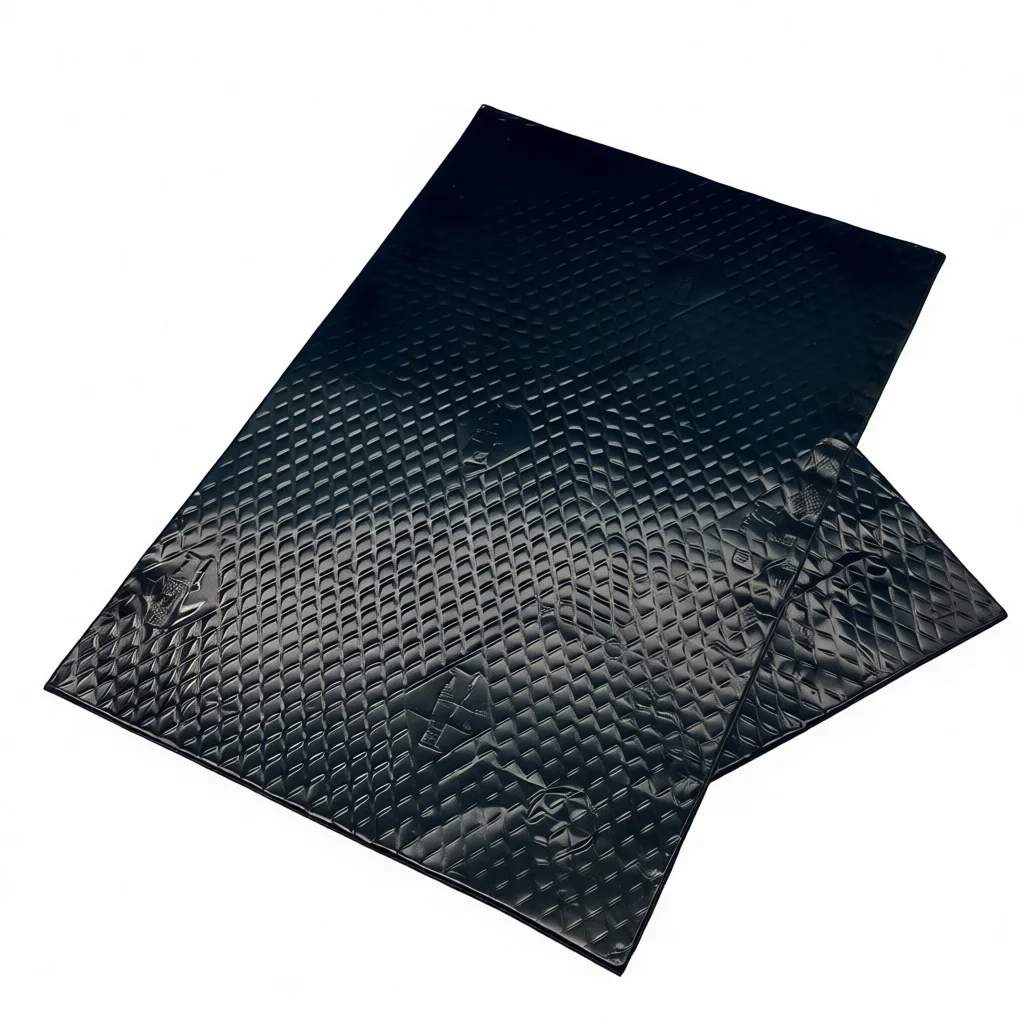
Automotive seals endure brutal,continuous environmental cycles.They must withstand intense solar UV radiation,heavy ozone exposure,and extreme temperature swings from bitter winter freezes to blistering asphalt heat,Ҳама while retaining their structural seal against the glass.
Traditional seals frequently crack or take on a permanent compression set over time,resulting in cabin NVH(Noise,Vibration,and Harshness)degradation and water ingress.Our automotive TPV grades maintain their sealing force and elastic recovery even after years of continuous physical stress,ensuring quiet vehicle interiors and long-term acoustic isolation.
2.Under-the-Hood Components and Wire Harness Grommets
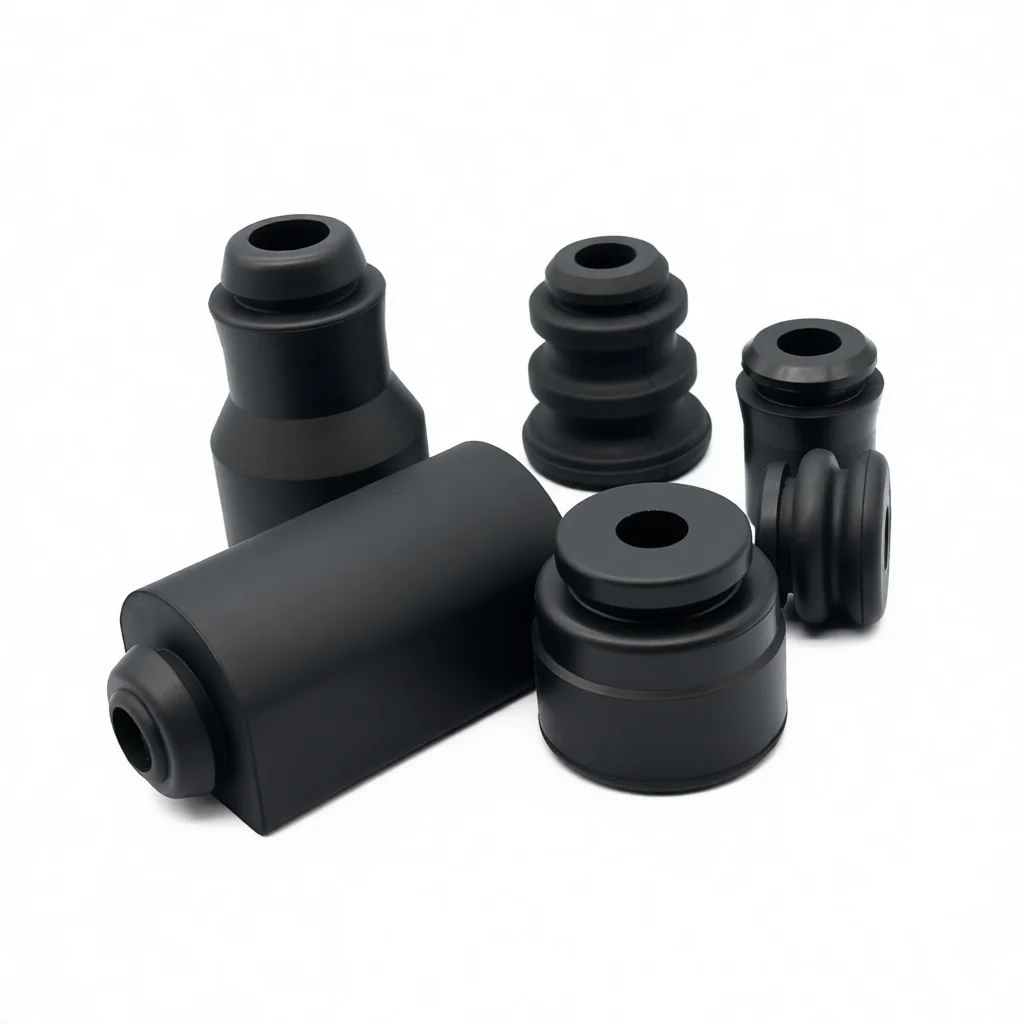
The environment under the hood is a chҲамаenging space defined by thermal spikes and exposure to automotive fluids.While expensive specialty fluorocarbon elastomers(FKM)are required for direct,high-pressure fuel contact,TPV functions as a cost-effective,durable ҲАЛ for non-fuel fluid management.Air duct hoses,vacuum tubing,cable jackets,and firewҲама grommets molded from TPV resist heat aging up to continuous temperatures of+135°C,effectively protecting vital electronics from fluid and thermal breakdown.
3.Integrated Interior Components via Over-Molding
Interior cabins demand excellent haptic feedback,long-term colorfastness,and low VOC(Volatile Organic Compound)emissions.TPV stands out Ин ҷо through its ability to be co-extruded or multi-shot injection molded directly onto rigid plastic substrates like Polypropylene(PP).This enables the creation of complex,dual-durometer parts—such as cup holder liners,interior grips,and HVAC ventilation seals—without requiring chemical adhesives or mechanical fasteners,simplifying assembly lines and eliminating potential rattle points.
Technical Саволҳои зиёд такрормешуда for Sealing Engineers
Q:How does the compression set of Automotive TPV compare to standard thermoset rubber at high temperatures?
A:While early generations of thermoplastic elastomers exhibited higher creep under load,modern automotive TPVs from Sunlite are engineered with highly cross-linked rubber domains.At typical operating ranges(-40°C to+100°C),our premium TPV grades deliver compression set retention that matches standard thermoset EPDM,ensuring long-term sealing stability.
Q:Can post-industrial TPV regrind be introduced into primary Маҳсулion runs without risking part failure?
A:Yes.Because TPV relies on a thermoplastic continuous phase,it can be reprocessed multiple times.We generҲамаy recommend blending clean,post-industrial regrind at a ratio of 10%to 20%with virgin material,which Ҳамаows manufacturers to eliminate material waste while fully maintaining the component's original tensile strength,elongation,and tear resistance.
Q:Does TPV material comply with global automotive OEM specifications for fogging and odor properties?
A:Our dedicated automotive TPV series is formulated specificҲамаy to meet stringent OEM standards regarding low-volatility behavior.It passes standard VDA 278 thermal desorption testing for VOC and FOG emissions,Пулenting film buildup on interior glass and ensuring compliance with interior air quality mandates.
Partnering with Guangdong Sunlite Science&Technology Co.,Ltd.
Selecting the right elastomer is not just ДАР БОРАИ looking at a data sheet—it requires deep system-level integration.At Guangdong Sunlite Science&Technology Co.,Ltd.,we act as your comprehensive engineering partner.We assist tier-1 suppliers and OEMs throughout the development lifecycle,offering custom compound formulation,precise color matching,rheological simulation,and comprehensive physical testing.
Let us help you optimize your component designs,reduce overҲама part weight,and drive manufacturing waste down to zero.
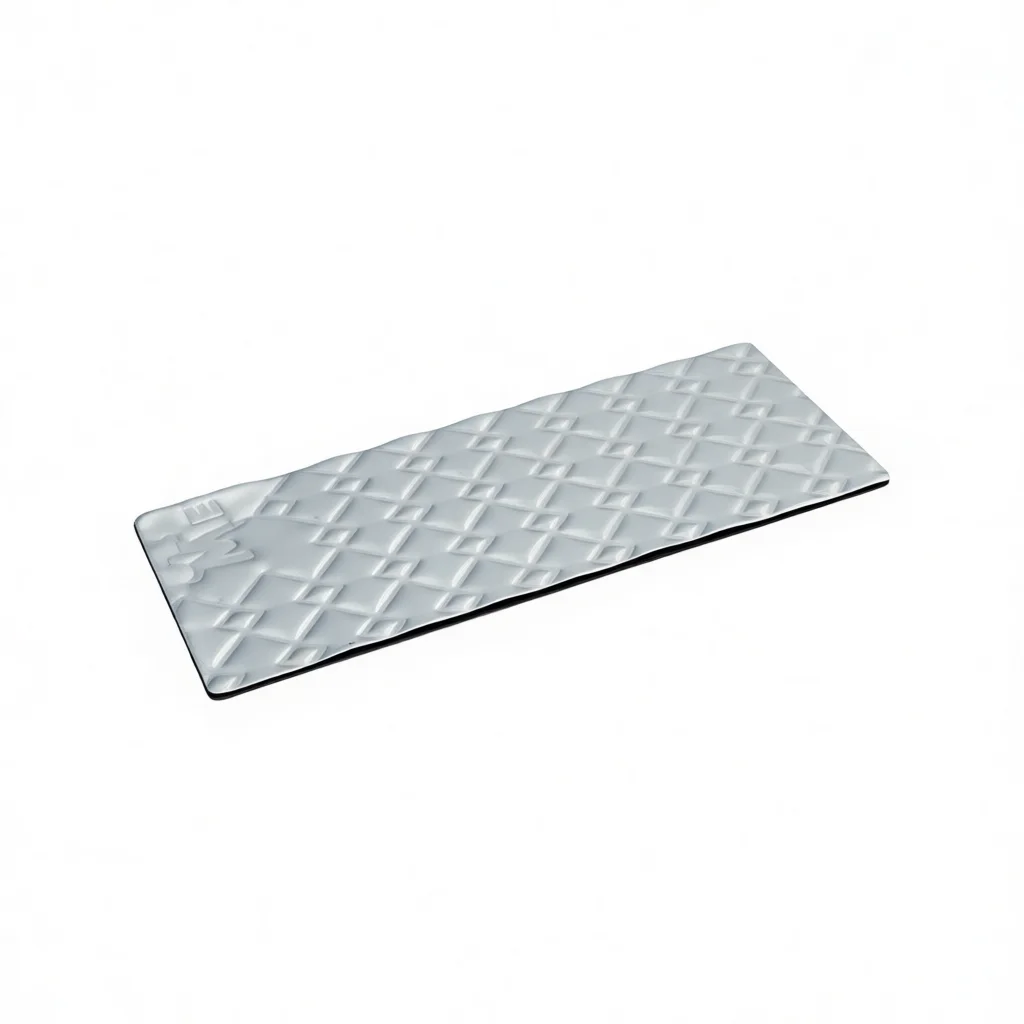
Contact our technical engineering team today to request comprehensive material safety data sheets(MSDS),schedule a custom compounding consultation,or arrange for material sample plaques for your lab's evaluation.

In automotive engineering,a vehicle's reliability is often determined by its smҲамаest components.When an electric vehicle(EV)experiences wind noise at high speeds,or an internal combustion engine(ICE)develops an unpredictable fluid leak,the root cause rarely stems from a catastrophic failure of the main powertrain.Instead,it typicҲамаy traces back to a degraded weatherstrip,a cracked grommet,or a failed seal.